
A TIDYING-UP OF CROFTING LAW?
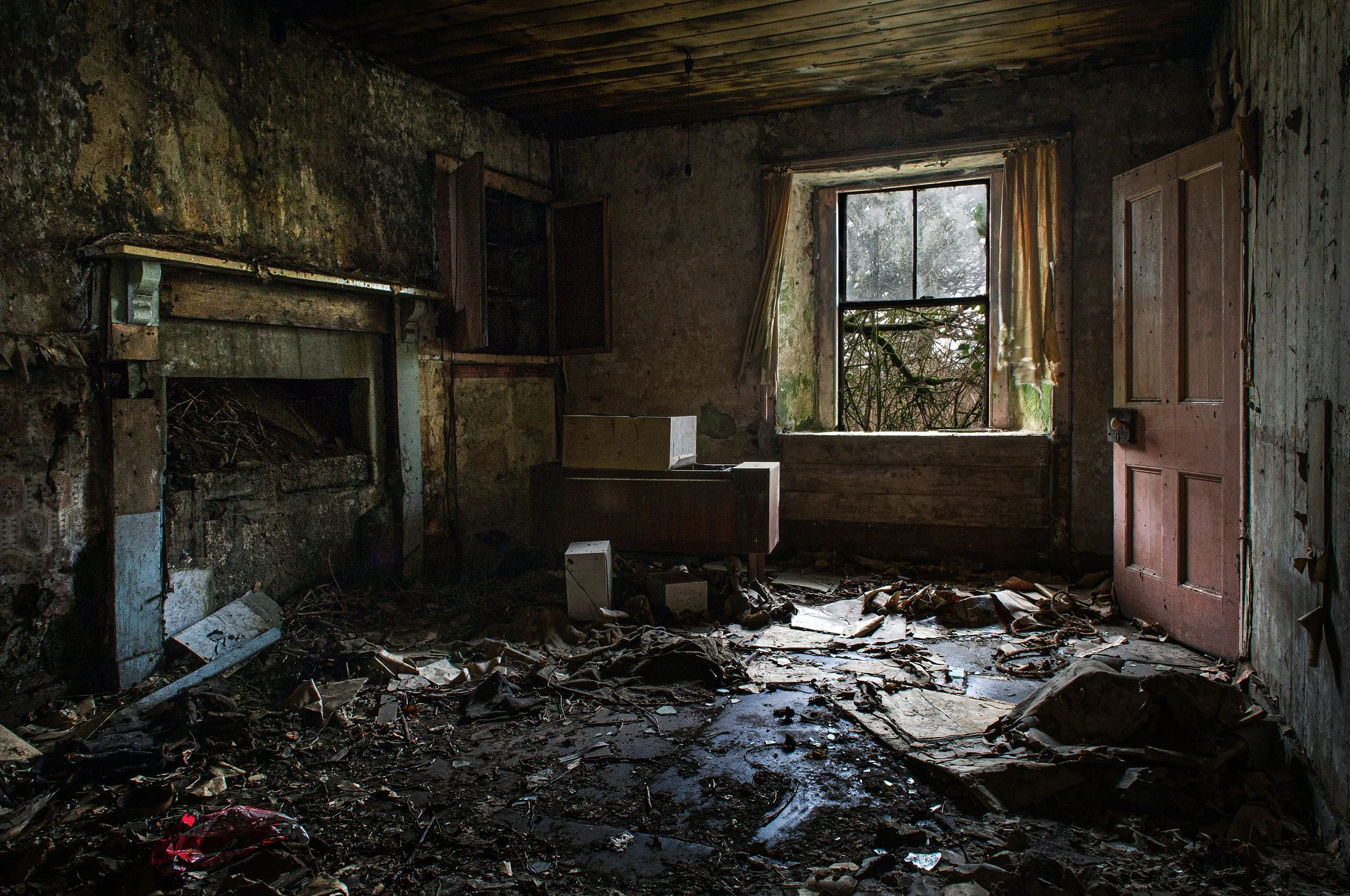
We must hope this reflects before’ rather than ‘after’!
This article first appeared in “The Crofter” Magazine published by the Scottish Crofting Federation.
______________
The Scottish Parliament voted on 24 March to pass the Crofting and Scottish Land Court Bill; the conclusion of almost a decade of discussion and consultation.
The original consultation was launched on 2017 and, perhaps inevitably, has changed considerably over the intervening years. There is much in the final Bill to be welcomed, but unfortunately the Scottish Government have been unable to resist the temptation to incorporate additional elements of wider and more fundamental reform in to what was intended to be a ‘tidying up’ exercise. The consequences of that are that (1) the Bill has taken considerably longer than it should have to reach this stage, thereby delaying the next stage of reform and (2) a further layer of complexity has been added to an already cumbersome regulatory framework.
In 2018, the Cabinet Secretary for Rural Economy and Connectivity, Fergus Ewing MSP, announced an intention for a two-phase approach to legislative reform, with a first phase in this Parliamentary term (which was achieved by the skin of its teeth, just the day before Parliament was dissolved) and a second phase which would be a longer term piece of work to deal with some of “the more complex and challenging issues facing crofting”.
Issues were divided in to simple, slightly complex and serious complex issues (see below for details). It had been my understanding that the Government intended (in 2018 at any rate) to deal within this parliamentary term only with the matters which had been classified as ‘simple’. However, between 2018 and 2023 some of the complex issues found their way in to the draft bill; those of most concern to me are the issues of deemed crofts and standard securities over croft tenancies.
A deemed croft is formed when a crofter acquires his croft land from a landlord; the grazing share remains in tenancy and is known as a deemed croft. There is no doubt that these are complex beasts and require to be the subject of reform, but in my view the provisions in the Bill are not sufficient and do not take account of the wider legal nature of common grazing shares or croft land. I fear that this could become an example of where further tinkering with already complex legislation simply creates more problems.
Standard securities are a legal mechanism to secure a debt or obligation. Their most common use is to secure a commercial or residential mortgage over land and buildings but they can also be used to secure a former landlord’s right to compensation in the event of an onward sale of croft land (‘landlord’s clawback’).
There has long been discussion (predating even the 2007 Crofting Reform Act) that facilitating a standard security to be taken over a croft tenancy would allow those who are not cash purchasers to purchase croft land. However, this not only ignores the problem that a standard security, by definition relates to heritable title rather than a tenancy, but also importantly that if lenders were happy to lend using croft land as security, they would be doing so already in relation to owned croft land, because the mechanism already exists in relation to owned croft land.
This proposed provision has once again been dropped and in my view this is to be welcomed. There is a problem with the market in croft land and croft tenancies, but the remedy requires a more thoughtful and radical approach.
All of that said, there are many other provisions within the Bill which will assist in tidying up the legislation and I commend the Bill Team for their attention to those matters. Perhaps most importantly, s. 33A of the Bill provides that the Scottish Ministers must, within 3 years of Royal Assent, begin a review of crofting legislation and “as soon as reasonably practicable after completing the review, prepare a report on that review.” That review must include an assessment of the 1993 Act, the 2010 Act, the new Bill, and whether further legislation is required. The SCF have done some excellent work lobbying to secure this commitment to further reform and I look forward to working with Donna and her team on this in the months and years ahead.
Note Referred to:
Simple Issues:
· Repeal / amendment of s.40 – annual notification or ‘the census’ as it has become known.
· Repeal / amendment of s.49A – the duty to report (which was very badly received and is not, and never has been, enforced by the Commission.
· Amendment to incorporate the purchase of a croft from one’s croft landlord as a factor triggering the requirement to register a croft in the Crofting Register.
Issues of some complexity:
· Amendment of decrofting provisions
· Confer on the Crofting Commission the power to grant owner-occupier status
· Confer power on the Crofting Commission to undertake minor boundary changes.
Issues of serious complexity:
· Deemed crofts
· Ability to have a croft lease considered for securities
Contact me for advice and assistance - eilidh@camus.scot
Eilidh